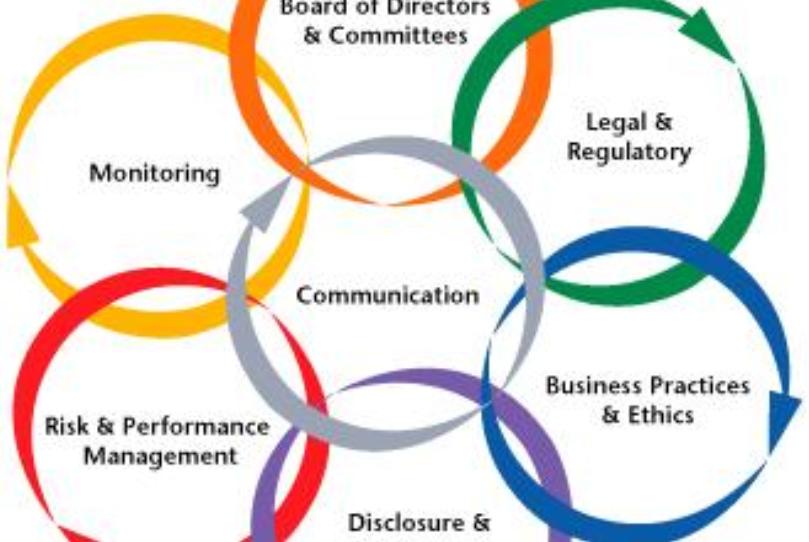
 Companies and the industry at large can take certain measures that will promote corporate responsibility. Such measures may be regulatory or voluntary. But as is seen, most of the companies that are at the forefront of corporate responsibility do it as a voluntary effort in order to not only differentiate themselves but also be seen as a leader.
Also read How to Reinvent Capitalism via Creating Shared Value?
Here are some of areas where those measures or mechanisms that can be institutionalized across board:
- Stakeholder engagement
- Reporting
- Environmental Management Systems
- Assurance
- Education
These can be achieved through various process standards and guidelines like:
- AccountAbility (AA1000) Framework: It brings together multi-stakeholder view on the best practices that can be implemented thorough out the industry. This framework contains processes and principles for reporting, accounting and auditing.
- AA1000 Assurance Standard: This is a freely accessible online for companies to use. It is an evaluation method that uses a specified set of principles and standards to assess the quality of the Reporting Organization’s subject matter. It focuses on Materiality, Completeness and Responsiveness of the organization.
- Global Reporting Initiative (GRI): Formed by the Coalition for Environmentally Responsible Economies (CERES) and the Tellus Institute, GRI has pioneered the sustainability reporting. Even though it is voluntary, it has been adopted by many companies. It lays down various indicators, boundaries and structure of the sustainability reporting covering all the 3 areas of Economic, Social and Environmental aspects.
- ISO140001: Companies that comply with the ISO14001 standard have an environmental policy in place along with a management system of assessment of environmental aspects, legal and voluntary obligations and internal audits.
- ISO50000: Energy Management certification system
- ISO26000: It is intended to assist organizations in contributing to sustainable development and guidance on social responsibility
- SIGMA (Sustainability: Integrated Guidelines for Management) project: Drawn from various existing conventions and treaties, it is a partnership between Forum for the Future, AccountAbility and British Standards Institution. It contains a set of guiding principles, a management framework for sustainability and a toolkit for implementation.
There are a number of effective management systems that encompass the complete corporate responsibility of an organization. Corporate responsibility as a management approach helps businesses to regain trust and transform environmental, social and governance challenges into strategic opportunities, as well as better equipping firms to deal with crisis situations.
Related articles:
- Corporate Governance for Sustainability
- How to Reinvent Capitalism via Creating Shared Value?
- 7 Overarching Objectives of Sustainability
- Being morally accountable in emerging markets – Role of MNC’s
- Tools for Triple Bottom Line Accounting



 Linking Sustainability
Comments (moderated)