 Seventh Generation, a privately owned, $150 million US based cleaning & detergent company employing just over a 100 people has consistently redefined what Coporate Responsibility means to them. While many businesses struggle to find their roots in the miasma of sustainability, Seventh Generation (SG) has zipped along to what is known as CR 2.0.
Jeffrey Hollander, the former CEO and current Chief Inspired Protagonist co-founded this values-driven company with a strong sense of mission –
To consider the implications of our actions 7 generations from now
However, until recently, it had been operating without a defined set of sustainability targets. It was only in 2009, a cross-functional team established its first set of comprehensive, company-wide sustainability goals touching all areas.
Also read how SG survived the challenge of Balancing Customer Expectations with Supply Chain realities
For some goals, such as sourcing sustainable palm oil or harnessing solar energy, work is well under way. But for other commitments, such as goal of sustainable water use, there’s no clear cut strategy.
While it may seem risky to set goals without a clear idea of how the company will meet them, it’s becoming an environmental imperative to harness its knowledge base to commit to new standards.
What Key Performance Indicators (KPI’s) is the company looking at?
Some of the KPI’s are clear metric indicators while others are subjective in nature:
- Sales: Achieving a certain growth in any year
- Donations: Giving 10% of pre-tax profits
- Employees: Increasing diversity and employees with common mission
- Packaging: 80% reduction in virgin plastic by 2014, use more than 75% post consumer recycled (PCR) plastic
- Sourcing: 100% sustainable palm oil by 2012, FSC certified wood pulp by 2015
- Product design: Increase renewable content effectiveness in products, eliminate toxic chemicals by 2012
- Energy and Climate: Overarching goal of reducing GHG emissions 80% by 2050 with 2% reduction yearly, 100% renewable electricity at HQ
- Environment: 25% reduction in solid waste by 2015, 100% sustainable water use by 2020
As is clear from these KPI’s, some are metric defined while others are very long term vague without any set path to achieve them. I think 2 challenges that SG faces with regard to goals and indicators failing to deliver performance are:
- Too many measures that need to be reported, thus overwhelming the data compilers and users
- Time horizon within which the goals must be met is dauting
Rewards of CR 2.0
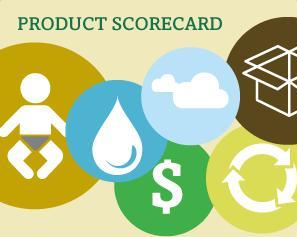 The ‘Product Scorecard’ that assesses environmental, health and economic performance of some of its products has led the company to clearly measure its GHG footprint and make it public. CR 2.0 has manifested in numerous awards like:
- Best SME Sustainability Report by CERES
- Greenpeace’s Recycled Tissues and Toilet Paper Guide
- Designated as one of the top small places to work for in America
Besides these, the unwarranted trusted support of its customer base has seen its sales grow in leaps since the past 4 years.
One of the overarching points that make Seventh Generation stand out is its radical transparency leading to a cult like following.
Intensive lobbying with BICEP (Business for Innovative Climate Energy Policy) has also led the company to a more science based legislation to tackle climate change.
Seventh Generation is still a long way to be an environmentally restorative company but has been leading the sustainability space by setting an example of focused goals and strategies at work in spite of the management change.
Related reads:
- Jeffrey Hollender and the critical need to change the rules (greenbiz.com)
- How do you balance customer expectations with supply chain realities?
- Fighting the battle between Commercialization & Values
If you benefited from this post, why not email it to a friend or share it on Twitter or Facebook via the share button below. Thanks for taking the time!



 Linking Sustainability
Comments (moderated)