Here’s why – Simple yet ingenious:
UPS found out over their thousands of truck fleet, that by not waiting and idling to take left turns and instead taking 3 right turns to reach the same place – they saved about 3 million gallons of fuel.
Walmart found out that by separating the engine and the generator to run the air conditioning was a good idea – shutting down the engine while the driver slept at night on long distances, they’d save $25 million/year on fuel costs. Putting spoilers/fins at the back of the trucks – at highway speeds reduced 5-8% fuel usage.
Stonyfield farm got a 40% reduction of CO2 from trucks on the road by ensuring they are packed to capacity and separating coolers to cool the food from the engine.
Xerox, by driver training and reducing the miles traveled by their field service technicians through better scheduling, routing, using GPS and remote diagnostic services, made substantial savings.
 All of the above examples are classic cases of savings through good ecodriving practices. According to the EcoWill, an EU endorsed website, Ecodriving is about driving in a style suited to modern engine technology: smart, smooth and safe driving techniques that lead to average fuel savings of 5-10%.
There are a number of other well informed sites that provide benefits of ecodriving for anyone who is willing to use it. From macro benefits like reduced global warming to micro ones like increased mileage, less accidents, high safety and low maintenance costs, ecodriving is certainly being taken up by governments around the world.
 The Alliance of Automobiles Manufacturers,USA, lists down comprehensive list of good ecodriving practices like avoiding rapid starts and stops, using air conditioning only at higher speeds, using navigation and avoiding idling among many other useful pointers.
Technology to the rescue
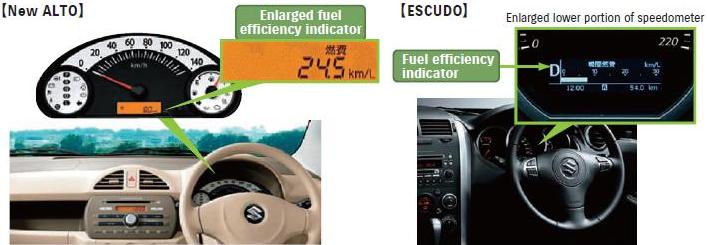
 Automakers are using technology to help spread the message of ecodriving. Not only the premium segment cars from BMW and Audi come installed with ecodriving assisted technology but small mass cars from
 Suzuki also have Idling stop systems that enable engine to stop automatically while waiting at traffic lights.
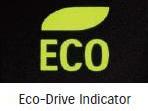
There’s Ecodrive indicator that lights up if you’re actually ecodriving – right amounts of braking, accelerating and all!
There’s Fuel efficiency indicator that shows how far your car will take you on a liter of fuel. Then there are changes in transmission and reduction in vehicle weight and air resistance being done to assist ecodriving practices.
Argument
When we’ve got hybrids and EV’s – would eco-driving still be an advantage and pose a significant savings potential? Probably not. Eco-driving is an end-of-pipe solution that is trying to minimize the damage already done. The major plus that it does is, it inculcates good habits in the society – it delivers change that is hard to come by. And this change makes good sense, regardless.
Ecodriving can also be uncomfortable – at times. It can mean giving up convenience and comfort – the reason for the car. I’ll not drive along with a baby in my car in the 40 degree summer heat and wait till I hit a high enough speed to put on the air conditioner. Rather, I’d turn on the A.C and let it run for 5 minutes till the temperature reaches a comfortable level before stepping in with my family.
Individual behavior though an important component – is surely not enough. Highest impact, as always is driven by the business sector – it makes absolute sense when tiny savings multiplied over thousands of truck fleets scouring all over the country everyday add up to humungous earnings along with the overall reduction in the carbon footprint. Ecodriving has certainly driven business costs in the south direction – proliferating deep into individual behaviors, however, is a tough one to crack.




 Linking Sustainability
Leave a reply to Pankaj Arora Cancel reply