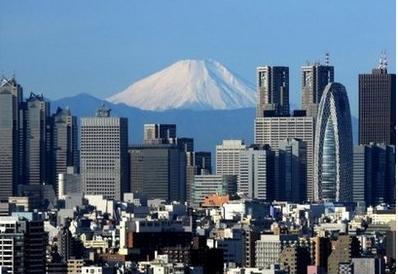
 The current situation unfolding at the TEPCO operated Fukushima Daiichi nuclear reactor is reaching a strange state of continual deterioration as stated by international security analyst Jim Walsh. TEPCO has displayed a cool and controlled stance until now, but its past track record makes it a bit questionable.
In several instances in the past, accidents and critical breakdowns never got reported correctly. The news item on 23rd March 2007 in Japan Times daily reported that TEPCO had hid a 7 ½ hour accident in 1978 and that resulted in uncovering more accidents in 1979, 1984, 1989, 1993, 1999, 2004 and 2007. According to another news item in Buzzle.com, the accidents that occurred in 2004 and 2007 were not reported either and those events happened after the company established its CSR ethics and compliance system.
Corporate Ethics and Compliance
Ethics in business is not about compliance – it’s about doing the job to the very best of your capacity. Period. It entails honesty and ethical behavior over and above what the law tells you to do. 2 main elements are at the core of any Corporate ethical structure: Profits and Societal gains – and any decision will lead to one or the other or both.
In September 2002, TEPCO had announced its 4 main commitments in the interest of creating a “Corporate system and climate of individual responsibility and initiative”:
• Promoting disclosure of information and ensuring transparency of nuclear operations
• Creating a work environment where proper operations can be carried out
• Strengthening internal surveillance reforming its corporate culture
• Promoting observance of corporate ethics
To embed its Corporate Social Responsibility (CSR) ethics in its broad stakeholder base of its customers, local communities, business partners, shareholders, investors, employees, government, international community and future generations, the company also also initiated various value-up plans like actively introducing zero-emission power sources, developing smarter power systems network etc. toward realizing its sustainable growth.
Working towards low-carbon society 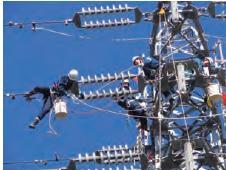
As an electric company its carbon footprint in Japan is 10% of the total CO2 emissions, which forces the company to put high priority on addressing global warming through various renewable energy mixes, carbon sequestration, and carbon credits apart from Bio-diversity conservation.
It established what is known as “The Green Fund” back in 2001 from the contributions of the customers interested in renewable energy and also developed “The Green Power Certification” system for natural energy power generation. In 2006, TEPCO also included fundamental principles of CSR procurement with its business partners and suppliers.
However, all of this will come to naught, if TEPCO is not able to contain this environmental disaster.
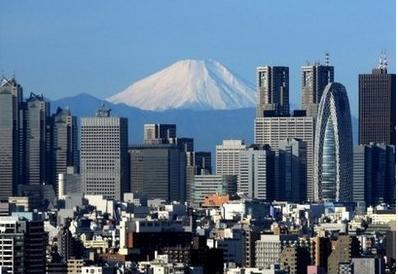
Supplying a consistent base-load power to a mega city like Tokyo in Japan is not an easy job to do. Since, the country is not blessed with any abundant natural resources, generating its own electricity to maintain its affluent lifestyle becomes a necessity. Being the biggest energy supplier in Japan, TEPCO will have to play a leading role to not only reach its renewable energy target of 20% by 2020 but also need to reconsider its corporate ethics and transparency – of which the company has been a laggard, as reflected by cover-ups and accidents in the past.
Whose responsibility?
NY Times and other publications have carried an article by Thomas Zeller posing another question – Does the responsbility solely rest with TEPCO? Perhaps not – GE, the maker of this reactor and the Japanese government – both have roles to play. GE marketed such Mark 1 Fukushima type reactors as less costly and the US regulators also began identifiying its weaknesses very early on. The article goes on to conclude that GE’s liability in Japan is limited as Japan’s regulatory system places most liability on the plant operator – in this case Tokyo Electric Power.
Looking Ahead
“Even in face of disaster, however, electric power companies have a social responsibility to deliver a stable supply of electricity and are therefore expected to take a comprehensive approach against unexpected accidents and disasters” – so goes the disaster response initiative of the company in its 2010 Sustainability Report.
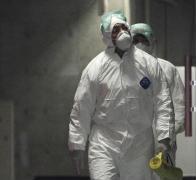 In failing to keep its credo, TEPCO’s response to this disaster until now has been barely satisfactory. It has declined to provide details about the ‘Fukushima 50’ – the faceless heroes – 50 men of different ages, some volunteers, some retirees – working at tremendous personal risk to save the lives of others. Even the government has not been kept ahead of the curve by the company going back to as far as 1972 when the first warning signs appeared – which is making the Japanese public loose its trust.
TEPCO has a chance to turn this catastrophe into an opportunity – one act can remove the blemished reputation. In the end, transparency, though an important issue, is not the end in itself – if the company is able to stem nuclear reactors from spreading lethal radiation, then it would have done its job. Period.
Related articles
- Fukushima Reactors Heating Up Again … Water Fails to Cool Them Down (zerohedge.com)
- Japan:TEPCO fails to clearly see inside damaged reactor (laaska.wordpress.com)
- One step for Chubu Electric, one giant leap for residents




 Linking Sustainability
Leave a reply to Partner blog: TEPCO, Corporate Ethics and Fukushima « Sustainable futures (?) Cancel reply