
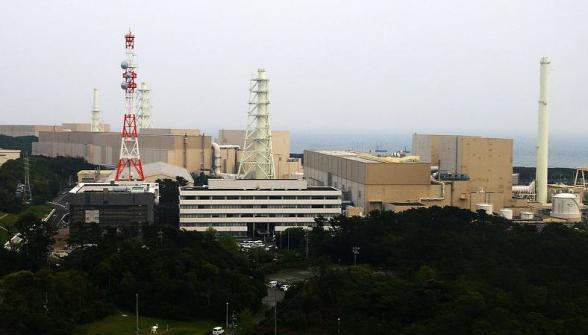
Right on the heels of Fukushima nuclear disaster, the Hamaoka Nuclear power plant has been ordered cold shut down till the time new sea walls are built to protect against the ensuing tsunami in worst case scenario of a big quake. It could take anywhere between 2-3 years before the nuclear plant resumes its operations during which time additional costs to provide the power demands in the area will be immense – but they can never be higher than the actual disaster itself.
The event as it occurs doesn’t teach any lessons. It is what we understand after the event has taken place that throws some light on the lessons that can be learnt to take proactive measures in a similar plausible future scenario. So, can Chubu Electric Power, operator of Hamaoka Nuclear plant learn from Tokyo Electric Power (TEPCO)?
Yes, and that is why the plant operations have been suspended. Omaezaki residents, where the plant exists, have spent years pursuing a lawsuit calling for immediate closure of the plant, but their protests had been in vain until now. The government makes an unbeatable offer that is hard to resist – subsidies and grants in various forms to the prefecture that okays the building of the nuclear plant.
But, clearly sometimes those subsidies or incentives don’t outweigh the risks attached to a potential nuclear blow out especially when it is situated right on top of a known fault line. The Tokai earthquake, the biggest of all quakes that Japanese authorities have been preparing and waiting for 3 decades is yet to occur.
Quakes can never be predicted with downright accuracy and certainty that the next one will bring a tsunami along with it or will it even occur in the sea. In any case, the Precautionary Principle should’ve been at work a long time ago and going by the same logic, the subsidies shouldn’t be stopped if the shutdown is done for precautionary measures.
Would building a sea wall against a tsunami be enough, is something that can be contended. The Kamaishi port saw the world’s deepest breakwaters stretching 63 meters below the water surface to the sea floor shattered by tsunami triggered by a magnitude 9.0 quake as it was built to withstand a magnitude 8.5 earthquake only.
 Chubu Electric Power has at least been transparent and taken a proactive stance until now. It states on its website – “Nuclear power can only be generated and provided if we have the trust of the general public, starting with those living near the power station, and safety must always be the highest priority.”
But it is a salvage act. The Nagoya based power company has been building nuclear plants one after the other knowing the facts of fault lines running right below them. Prime Minister Kan is also being criticized for ordering a shut down without considering the implications to the business community and the involved stakeholders.
In any case, I think it would be the most intelligent and sensibe move ever made.
(Hamaoka NPP image taken from Wikipedia)




 Linking Sustainability
Comments (moderated)